


Does your risk of fatty liver go up after gallbladder surgery? Top gastro explains | Health and Wellness News – The Indian Express
skip to content
Does your risk of fatty liver go up after gallbladder surgery? Top gastro explains
The surgery may change how bile reaches your gut but key triggers are obesity, diabetes and lifestyle, not the operation itself
By:Express News Service
Updated: Jul 14, 2026 11:51 AM IST
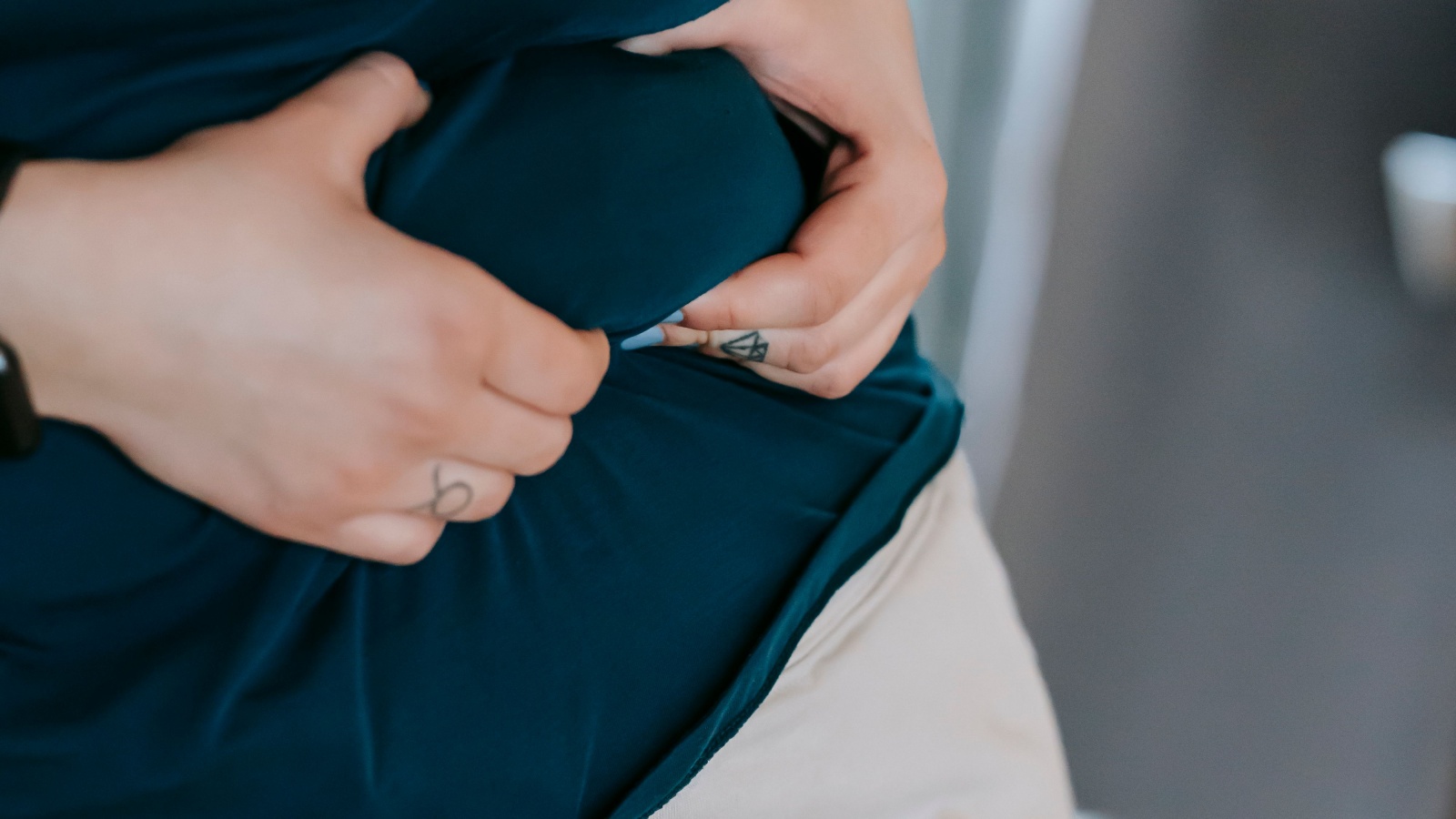
Fried food made her uncomfortable, her digestion seemed unpredictable and a routine health check-up brought another surprise: she had fatty liver disease. (Source: Pexels/ Representational)
For nearly a year after her gallbladder surgery, 46-year-old Meera (name changed) blamed herself for the bloating that refused to go away. She developed chronic diarrhoea and reflux issues. Fried food made her uncomfortable, her digestion seemed unpredictable and a routine health check-up brought another surprise: she had fatty liver disease. “I thought the surgery had fixed one problem only to create another,” she recalls. Was losing her gallbladder the reason her liver was now accumulating fat?
It’s a question that gastroenterologists are hearing more often. While the gallbladder does not make bile — the liver does — its removal permanently changes how bile reaches the intestine. The altered flow can affect fat digestion and, in some people, change the gut microbiome and digestive patterns. Some studies have suggested that people who undergo gallbladder removal may have a slightly higher risk of developing metabolic dysfunction-associated steatotic liver disease (MASLD), commonly known as fatty liver.
“But surgery itself is rarely the culprit. Obesity, diabetes, insulin resistance, unhealthy diets and physical inactivity remain the major drivers of fatty liver, with gallbladder removal acting, at most, as one piece of a much larger metabolic puzzle,” explains Dr Sudeep Khanna, senior consultant, gastroenterology, Indraprastha Apollo Hospital, Delhi. Excerpts:
What changes after the gallbladder is removed?
The gallbladder is a small organ located beneath the liver whose primary function is to store and concentrate bile, a digestive fluid produced by the liver. Whenever we eat, particularly foods rich in fat, the gallbladder contracts and releases a concentrated burst of bile into the small intestine. This helps break down fats efficiently and aids the absorption of fat-soluble vitamins
After a cholecystectomy, or gallbladder removal, the liver continues to produce bile exactly as before. What changes is the way bile reaches the intestine. Instead of being stored and released in response to meals, bile continuously trickles into the digestive tract throughout the day. This altered pattern is something most people adapt to remarkably well. Most patients recover completely and lead perfectly healthy lives after gallbladder removal. However, some do notice digestive changes, especially after eating fatty meals.
Does this affect fat digestion?
Because bile is no longer stored and released in concentrated amounts during meals, digesting large quantities of fat may become slightly less efficient in some patients. As a result, they may experience bloating, indigestion, loose stools, diarrhoea or abdominal discomfort, particularly after eating fried or greasy foods. These symptoms are generally mild, tend to improve over time as the digestive system adapts, and are rarely severe enough to require long-term treatment
Is there really a link with fatty liver?
There is no definitive evidence that gallbladder removal itself causes fatty liver. Gallstones and fatty liver frequently share the same underlying risk factors. Obesity, type 2 diabetes, insulin resistance, abnormal cholesterol levels and unhealthy eating habits increase the likelihood of developing both conditions. In many patients, these metabolic abnormalities already exist before gallbladder surgery, making it difficult to determine whether the operation contributes independently to liver disease.
Story continues below this ad
Why do researchers think there could be a connection?
One possibility relates to the altered flow of bile. Continuous bile flow rather than meal-triggered release may reduce the efficiency of fat digestion in some people, particularly after heavy meals. Long-term changes in digestion may subtly influence metabolism. Researchers are also paying close attention to the gut microbiome. Bile performs functions beyond digesting fats; it also helps regulate the balance of bacteria living in the intestines. When bile flow changes after surgery, the composition of the gut microbiome may also change. Some patients consequently experience bloating, diarrhoea, constipation or bacterial overgrowth. Increasing evidence suggests that disturbances in the gut microbiome can contribute to liver inflammation through what scientists call the “gut-liver axis,” an intricate communication network between the digestive tract and the liver.
Another area attracting scientific interest is bile acid signalling. Scientists now know that bile acids function not only as digestive fluids but also as hormones that regulate glucose metabolism, insulin sensitivity, cholesterol balance and fat storage. Altering the normal circulation of bile acids after gallbladder removal could theoretically influence these metabolic pathways. However, these mechanisms remain under investigation, and researchers stress that they do not establish a direct cause-and-effect relationship.
How can you protect your liver after gallbladder removal?
Fortunately, most people do not require any special medicines after gallbladder surgery. Instead, doctors recommend adopting healthy lifestyle habits that benefit both digestion and liver health. Eating smaller, balanced meals instead of very large, fatty meals often helps reduce digestive discomfort. Limiting fried foods and ultra-processed foods, consuming adequate fibre, drinking enough water and gradually resuming regular physical activity all support healthy digestion
Maintaining a healthy body weight remains one of the most effective ways to prevent fatty liver. Equally important is keeping diabetes, blood pressure and cholesterol under good control. These measures have a far greater impact on long-term liver health than the surgery itself
Story continues below this ad
Gallbladder removal remains one of the safest and most successful abdominal operations performed worldwide. For the overwhelming majority of patients, it provides permanent relief from painful gallstones with little effect on long-term health
© The Indian Express Pvt Ltd
- Tags:
- fatty liver
Advertisement
Loading Recommendations…
Advertisement
Live Blog
- NEET Result 2026 Live Updates: OMR response sheet out, results next15 seconds ago
- India News Live Updates,14 July 2026: India summons Iran’s deputy envoy, lodges protest over attack on Indian seafarers2 minutes ago
- US-Iran War News Live Updates: US resumes strikes while UAE says Iran hit tankers with missiles in Strait of Hormuz21 minutes ago
- India News Highlights, 13 July 2026: Uddhav Thackeray backs CJP protest; demands Dharmendra Pradhan’s resignation2 hours ago
- Supreme Court issues notice to Ram temple trust, seeks probe status report23 hours ago
