


Emily Laurence Sardinha
Wed, July 8, 2026 at 2:50 PM UTC
Do you know what your cholesterol numbers are? If you don’t, it’s worth asking your doctor at your next appointment. According to the Centers for Disease Control and Prevention, roughly 10% of people in the U.S. have high cholesterol, and many people don’t even realize they have it.Since high cholesterol doesn’t have any symptoms, you may think it’s no big deal. But when left untreated, high cholesterolincreases the risk of having a heart attack or stroke. While some people need prescription medication to manage cholesterol, everyone can benefit from following a heart-healthy diet, such as the Mediterranean dietor DASH diet.
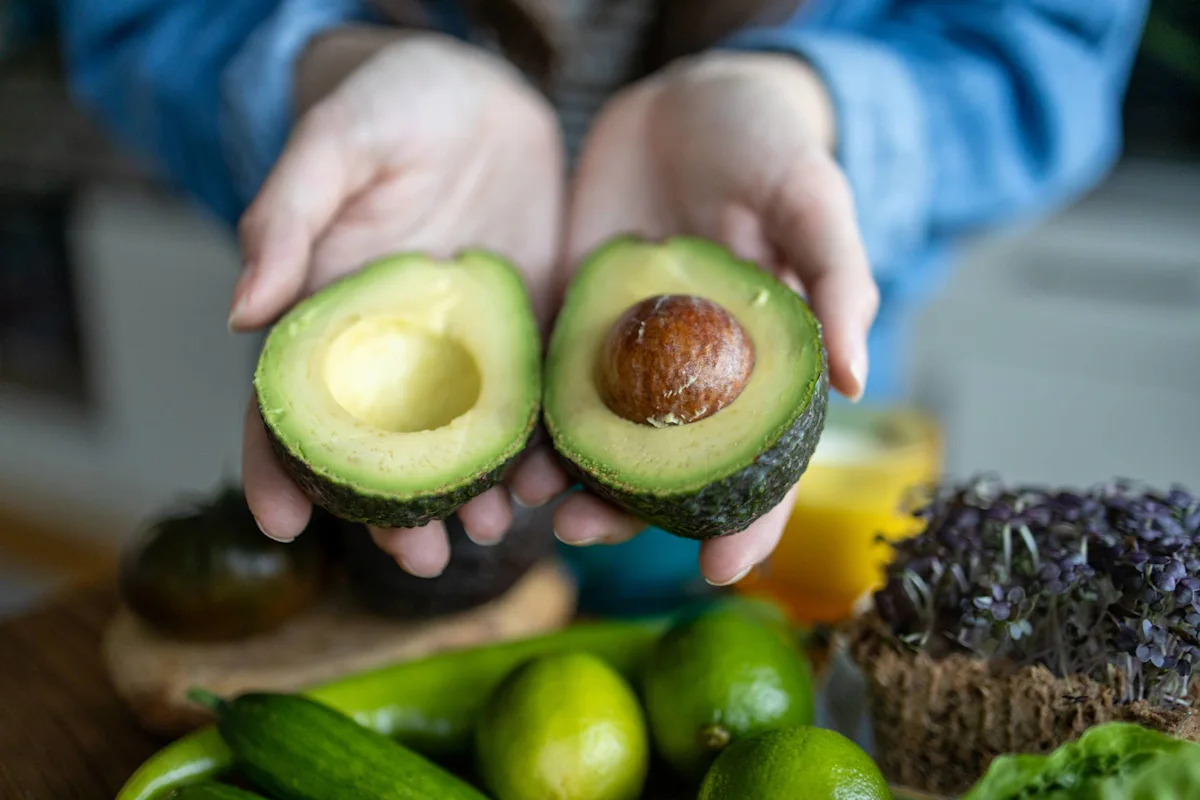
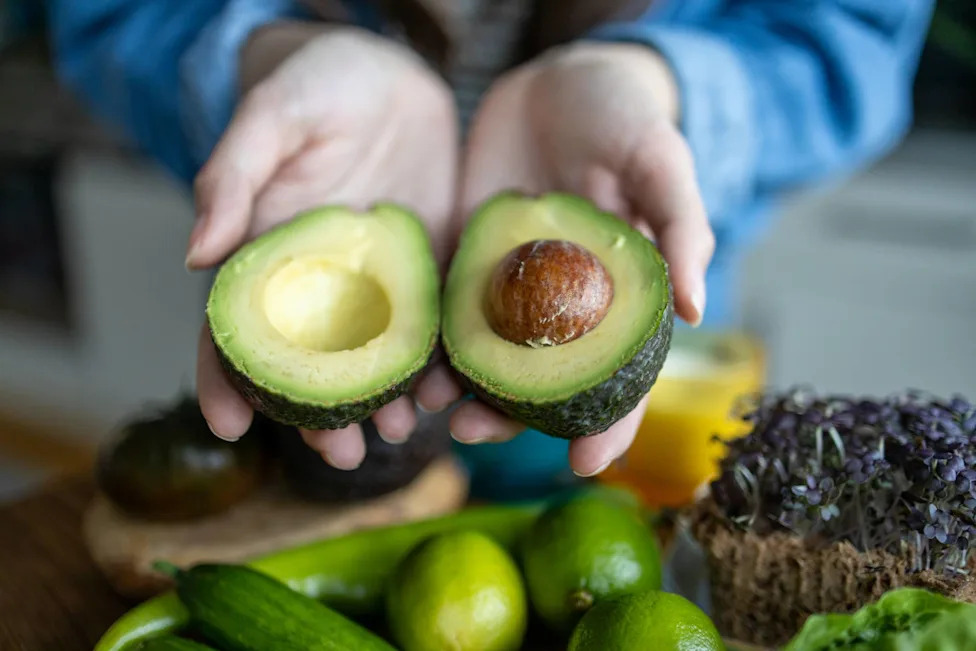
One food that fits right in with both eating plans is avocado. There’s no shortage of health benefits associated witheating avocados regularly. Avocado has nutrients that help provide the body with energy, support good digestion, help keep blood sugar levels steady and are even good for your vision. It’s also good for your heart, connected to lowering blood pressure and cholesterol
If one of your health goals is lowering your cholesterol, you may be wondering just how much eating avocado regularly can help. Here, cardiologists explain how cholesterol is impacted when avocado is consumed regularly and share other ways the fatty fruit benefits the heart
Related:Here’s Exactly What Happens to Your Cholesterol When You Eat Blueberries
How Eating Avocado Impacts Cholesterol
You’ve probably heard that avocados have “the good kind of fat.” According to Dr. David Sabgir, MD, a cardiologist with OhioHealth and the founder of Walk With A Doc, this is absolutely true and a major reason why the fruit can support healthy cholesterol. “Avocados are loaded with monounsaturated fats. This beneficial fat, primarily oleic acid, makes up between 50 and 71% of the oil in avocados,” he says
Dr. Sabgir points to multiple studies showingthat eating avocado can lower total cholesterol by about 6 to 7 mg/dL and LDL “bad” cholesterol by about 6 mg/dL. “For people who already have high cholesterol, the effects are even more pronounced. In those scenarios, LDL drops by roughly 9 mg/dL,” he tells Parade
Why does unsaturated fat have such a powerful impact on cholesterol? Dr. Sabgir explains that unsaturated fat helps the liver work more effectively. “It increases the number of LDL receptors on liver cells. You can think of those receptors as tiny docking stations that pull ‘bad’ cholesterol out of the bloodstream and clear it away,” he says
The Impact of Trading Less Healthy Foods for Avocado
Avocado’s impact on cholesterol is especially powerful when it replaces foods high in saturated fat, like butter. “Saturated fat tends to raise LDL cholesterol,” says Dr. Sawallah Guseh, MD, the director of the cardiovascular performance program in the Massachusetts General Brigham Heart & Vascular Institute. Dr. Sabgir adds to this, highlighting a 2022 scientific study showing that when people replaced butter, cheese and added sugars with one avocado per day, LDL cholesterol particles dropped by almost 14%.
Unlike unsaturated fat, Dr. Sabgir explains that saturated fat increases the production of LDL cholesterol while simultaneously reducing the liver’s ability to clear it from the blood. “The result: more ‘bad’ cholesterol circulating in the arteries,” he says
It’s not just the avocados’ unsaturated fat content that supports healthy cholesterol. Both cardiologists say that the fruit has fiber, which also helps. “A medium avocado has about 2 to 3 grams of soluble fiber, which can reduce LDL by decreasing cholesterol absorption and increasing bile acid excretion,” Dr. Guseh tells Parade
Advertisement
Dr. Sabgir explains that the soluble fiber in avocado lowers LDL cholesterol by forming a gel in the digestive tract that traps bile acids, which are made from cholesterol, and escorts them out of the body
🩺SIGN UP for tips to stay healthy & fit with the top moves, clean eats, health trends & more delivered right to your inbox twice a week💊
“The liver then has to pull more cholesterol from the blood to make replacement bile acids,” he says, adding that another way soluble fiber lowers cholesterol is because during the digestive process it produces compounds called short-chain fatty acids, which slow down cholesterol production in the liver
Although avocado is a beneficial food to eat if you want to lower your cholesterol, both cardiologists say that it shouldn’t be seen as a silver bullet or a replacement for cholesterol-lowering medications. It should be consumed as part of a heart-healthy diet, not the only heart-healthy food you eat
Other Ways Avocados Support Heart Health
Helping lower LDL cholesterol isn’t the only way eating avocados regularly supports heart health—the potassium in avocado can help lower blood pressure. “Half an avocado delivers about 345 milligrams of potassium. That’s roughly 7 to 8% of our daily recommended intake. Potassium and sodium have opposite effects on blood pressure: Sodium raises it, and potassium lowers it,” Dr. Sabgir says
Like other plant-based foods, avocado is high in antioxidants. A diet high in antioxidantsis scientifically linked with a lower risk of heart disease. It’s one reason why plant-centered diets are so good for your heart
Besides potassium and antioxidants, Dr. Sabgir says that avocados also contain folate, another nutrient that’s associated with a lower risk of cardiovascular disease
As mentioned earlier, avocado should be incorporated into a more complete heart-healthy diet. With this in mind, there are plenty of ways to incorporate avocado into your breakfast or lunch for a balanced, heart-healthy meal
“Good pairings include whole-grain toast, tomatoes, eggs in moderation, leafy greens, beans,lentils, salmon, tuna, grilled chicken or a whole-grain wrap. The goal is to pair avocado with fiber-rich, minimally processed foods rather than refined carbohydrates or saturated-fat-heavy foods,” Dr. Guseh says
Avocado isn’t a silver bullet for lowering cholesterol, but it can play a supporting role. The more plant-based foods you incorporate into your diet, the better your cardiovascular health will be, including your cholesterol
Up Next:
Sources
High Cholesterol Facts. Centers for Disease Control and Prevention
High cholesterol. Mayo Clinic
Dr. David Sabgir, MD, cardiologist with OhioHealth and the founder of Walk With A Doc
Wang, L., Bordi, P. L., Fleming, J. A., et al. (2015).Effect of a moderate fat diet with and without avocados on lipoprotein particle number, size and subclasses in overweight and obese adults: a randomized, controlled trial.Journal of the American Heart Association.4(1):e001355
Dr. Sawallah Guseh, MD, director of the cardiovascular performance program in the Massachusetts General Brigham Heart & Vascular Institute
Pacheco, L. S., Li, Y., Rimm, E. B., et al. (2022). Avocado Consumption and Risk of Cardiovascular Disease in US Adults.Journal of the American Heart Association.11(7):e024014
Pellegrino, D. (2016). Antioxidants and Cardiovascular Risk Factors.Diseases.4(1):11
This story was originally published byParadeon Jul 8, 2026, where it first appeared in theHealth & Wellnesssection. Add Parade as aPreferred
