


<img src="https://healthylife7.com/wp-content/uploads/2026/08/NYC_aerial-1-1.jpg” alt=””>
Health officials on Long Island are warning about a rare tick-borne illness that can cause high fevers and extreme fatigue. So far in 2026, three cases have been reported in Suffolk County. NBC New York’s Jen Maxfield reports.
Health officials are warning residents about a rare tick-borne illness after three cases were reported on Long Island
Three people in Suffolk County were confirmed to have come down with tularemia, also known as rabbit fever. The disease can cause high fevers and extreme fatigue, and doctors say symptoms can be more severe than more common tick-borne illnesses such as Lyme disease
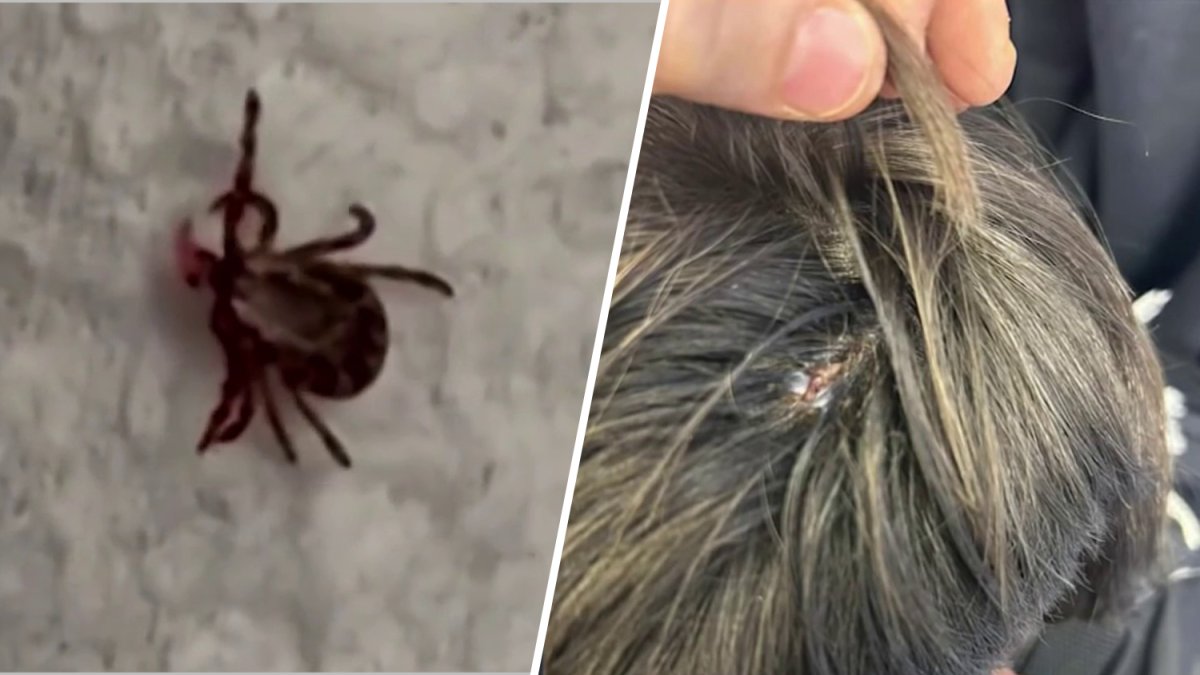
John Detmer was diagnosed earlier in 2026 after a tick bite on his head led to severe symptoms that lasted for weeks, according to his family
Watch NBC 4 free wherever you are
WATCH HERE

HealthJul 14
Experts advise caution with tick numbers high in Northeast
HealthJul 2
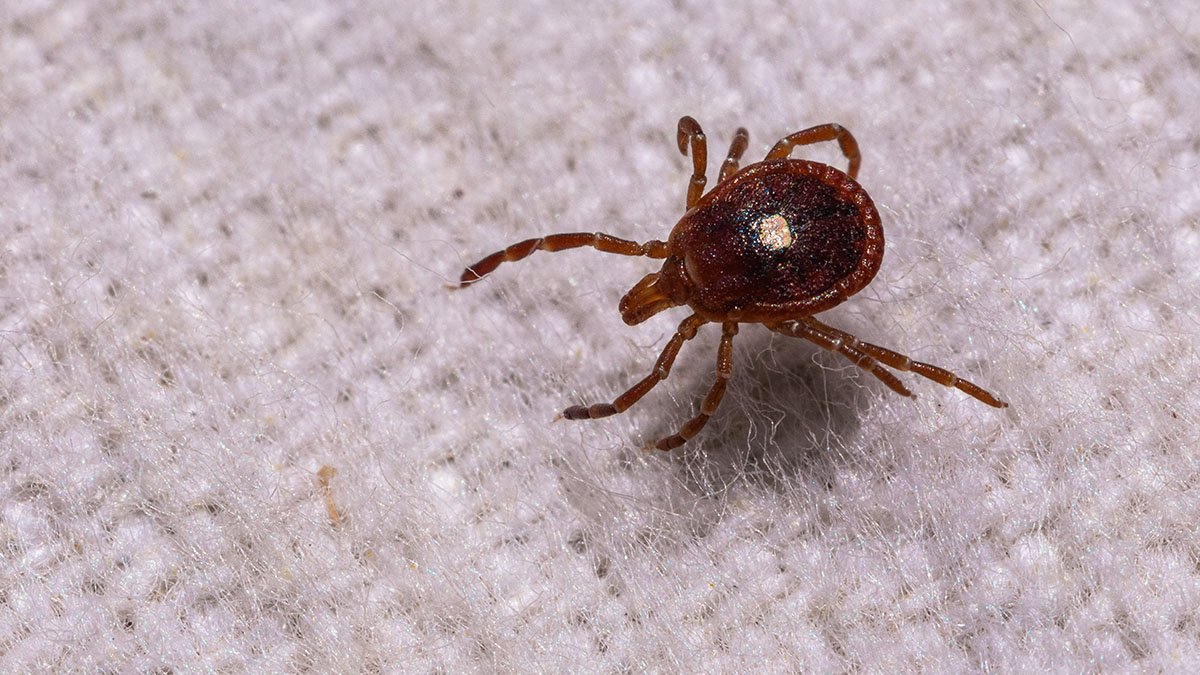
More people may be at risk for red meat allergy caused by ticks than previously thought

HealthJun 14
What to know about alpha-gal syndrome, the life-threatening meat allergy caused by tick bites
“It’s like painful, like my neck was hurting me. Sometimes my legs would,” the 9-year-old said. “It hurt it really bad when I touched it.”
John’s mother, Tracey Detmer, said the family initially did not connect the wound on his scalp to the illness, and she said the condition is rarely seen. She said the doctor she brought her son to — an infectious disease doctor — told her he had only ever seen tularemia once before in his career
Tularemia is spread through ticks, which can bite a sick rabbit and then spread the disease to people, Suffolk County officials said
Dr. Sharon Nachman of Stony Brook Children’s Hospital said the symptoms can be intense and often prompt emergency care
“You have a headache, your muscles hurt, your joints hurt, you’re miserable and you are often in the emergency room,” said Dr. Nachman. “This is not the kind of illness that you’re at home going, I feel a little unwell.”
Nachman cautioned people to avoid going near dead or dying wild rabbits, though John said he never did and had only played in his backyard. His mother said the focus should be on prevention and monitoring for tick bites
“You can’t go near [rabbits], they run away. So it’s not don’t go near them — you can’t. So it’s just tick checks,” said Detmer
Multiple rounds of antibiotics ultimately stopped 11 days of fever and severe pain on John’s scalp, and he is feeling better now, the family said
Health officials emphasized that tularemia is treatable with antibiotics, but because it is rare, people should know what to look for. Anyone who believes they have been bitten by a tick, and the bite develops into an open sore or wound, is urged to call a doctor
This story was originally reported for broadcast by NBC New York. AI tools helped convert the story to a digital article, and an NBC New York journalist edited the article for publication
