


After five years spent expanding diagnosis and treatment for childhood cancer and rare diseases, an initiative funded by the late Samsung Chairman Lee Kun-hee’s family is setting its sights on bigger challenges: faster diagnosis and the development of new treatments
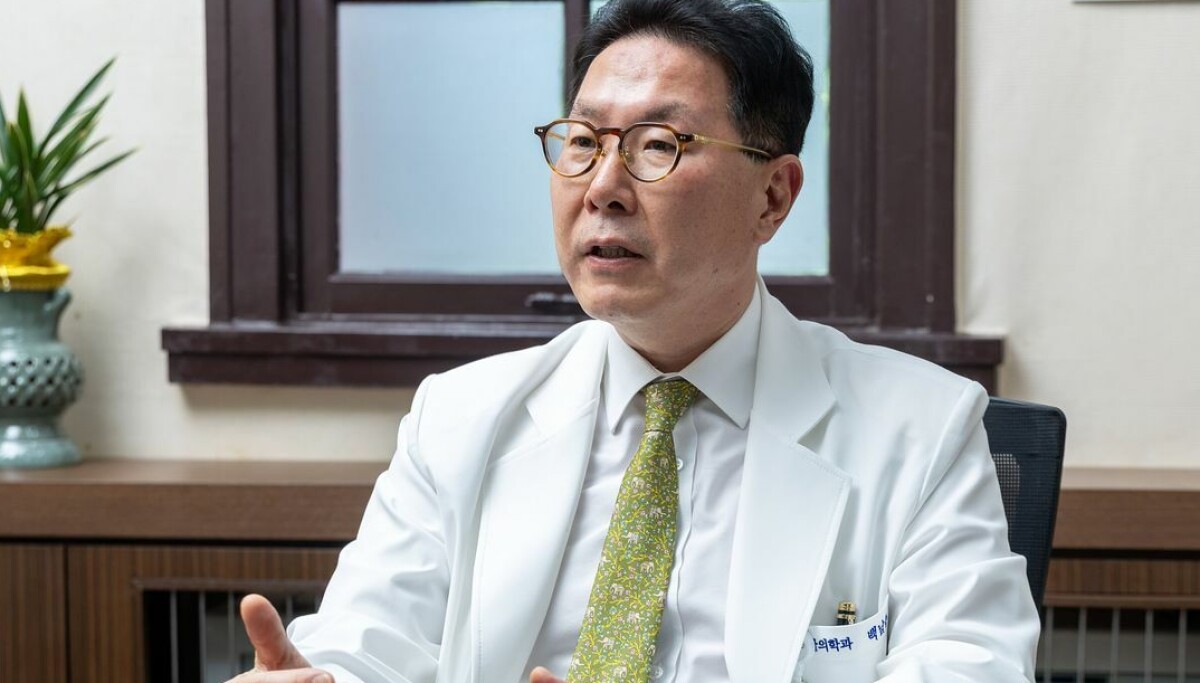
“A donation of this scale for childhood diseases is unprecedented [in Korea] or anywhere else in the world,” Seoul National University (SNU) Hospital President Paik Nam-jong said in an interview with the JoongAng Ilbo. “The noble and profound intentions of the late Chairman Lee Kun-hee are developing into a system that contributes to the country beyond individual patients and doctors.”
In May 2021, the Samsung chair’s bereaved family donated 1 trillion won ($722 million) to help prevent the spread of infectious diseases and treat childhood cancer and rare diseases. Of that amount, 300 billion won is being used for an SNU Hospital-led initiative to combat childhood cancer and rare diseases
Related Article
Late Samsung chair’s foundation eases financial burden for patients with rare bone growth disorder
Seriously ill patients feel sidelined as Korea debates insurance coverage for hair loss drugs
Rare disease diagnosis made possible by Samsung Group donation eases family’s pregnancy fears
From 2023 through June this year, the initiative helped diagnose 20,903 patients and treat 13,723
Paik became the hospital’s president in May and has spent a busy first few months in the role, but the initiative was among the first programs he focused on after taking office
He also says Korea’s low birthrate is another factor that makes the initiative important
“Given the low birthrate, we want the donation-funded initiative to further highlight the late chairman’s noble commitment to children,” Paik said
The initiative has also attracted attention overseas. Taiwan recently benchmarked its model, while 80 papers on rare diseases produced through the initiative have been presented at international academic conferences
“We have laid a solid foundation for the initiative,” Paik said. “As the achievements made so far come together, treatments will advance significantly. We are reaching a point where patients in Korea will no longer go undiagnosed or be left without treatment because none is available
“I hope the initiative will not end five years from now but lead to the establishment of a tentatively named ‘Lee Kun-hee Children’s Hospital,’” Paik said
SNU Hospital is also looking to develop new drugs and pursue treatments for rare diseases. When discussing the goal, SNU Children’s Hospital Director Chae Jong-hee expressed optimism, saying, “We can do it.”
The JoongAng Ilbo recently sat down with Paik at SNU Hospital to discuss the initiative’s achievements over the past five years and its plans for the next five. Below are excerpts from the interview, edited for length and clarity
Q. How would you assess the past five years?
A.We focused on reducing the time it takes patients to receive a diagnosis. We identified new diseases and established diagnoses for them. We expanded the range of conditions treated with CAR-T, a new form of cancer therapy. We brought together the expertise of specialists at children’s hospitals nationwide to expand diagnostic capabilities and standardize treatment for cancer and rare diseases
What has changed?
Even in the United States, it can take three to five years from symptom onset for patients to receive a diagnosis. Since the donation-funded initiative began, we have dramatically shortened the time needed to diagnose childhood cancers and rare diseases
Patients across the country can also receive diagnoses without traveling to Seoul. We have built a system that allows regional medical teams to send us patient samples for diagnosis, treatment and management. Going forward, we aim to test genetic information and blood samples sent to us from critically ill children and provide a diagnosis in as little as two to three days and within two weeks at the latest
Can’t that be done in those regions?
Regional hospitals lack sufficient infrastructure, including personnel, funding and equipment. But since the donation-funded initiative began, we have held quarterly video conferences with medical professionals at 27 regional hub hospitals. Medical teams from more than 20 hospitals outside the Seoul metropolitan area typically participate, and we decide on treatment methods together. At least one rare disease specialist from each hospital participates
What will be the priorities for the next five years?
Over the past five years, we planted the seeds for developing entirely new drugs for children around the world. In the remaining five years, we need to develop new drugs or build on the achievements of the donation-funded initiative by linking them with other technologies. We also want to develop treatments for rare diseases that we previously could not pursue due to economic constraints
Do you think that’s possible?
It won’t be easy, but I don’t see any reason it can’t be done
How is the initiative viewed by the international academic community?
There is reluctance to invest in rare disease research, so researchers are extremely envious of this donation-funded research initiative, which reflects the late chairman’s wishes. We introduced the initiative at the Undiagnosed Diseases Network International conference in Brazil last year, where it received a standing ovation. The donation came just as government research funding was running out, allowing us to take a leading role globally
BY SHIN SUNG-SIK [lee.taehee2@joongang.co.kr]
