


News
Urban living linked to slightly healthier diets but also higher overweight and obesity among adolescents in Viet Nam
Urbanization is rapidly transforming food environments in many countries, with 68% of the global population expected to be living in urban areas by 2050. In Viet Nam, where the urban population is projected to expand from 19% in 2000 to 50% by 2030, this trend is expanding access to a wide range of foods, including energy-dense and ultra-processed products. These changes bring both opportunities and risks, particularly for adolescents as they gain more autonomy over their food choices. But what does urbanization really mean for adolescent diets and nutrition?
- Phuong Nguyen, Kim Maasen, Elise Talsma, Rock Zagré, Soyra Gune, Lan Mai Tran, Mai Tuyet Truong, Nga Thu Hoang, Ngoc Ho Thi Vuong, Gabriela Fretes, Inge D. Brouwer, Marie Ruel, and Jef L. Leroy
- August 5, 2026
- urban areas
- food systems
- adolescent
- Vietnam
- diets
- nutrition
- NCDs
ByPhuong Nguyen, Kim Maasen, Elise Talsma,Rock Zagré, Soyra Gune, Lan Mai Tran, Mai Tuyet Truong, Nga Thu Hoang, Ngoc Ho Thi Vuong,Gabriela Fretes, Inge D. Brouwer,Marie Ruel, andJef L. Lero, originally posted as anIFPRI blog.
Key takeaways
- Adolescents living in urban areas of Viet Nam face a complex mix of diet challenges, a recent study shows.
- Urban adolescents face higher overnutrition risks. Overweight and obesity were nearly three times more common in urban than rural areas.
- Adolescent diets were slightly healthier in urban than in rural areas. Urban adolescents ate more healthy foods but also consumed more unhealthy foods.
First in a series
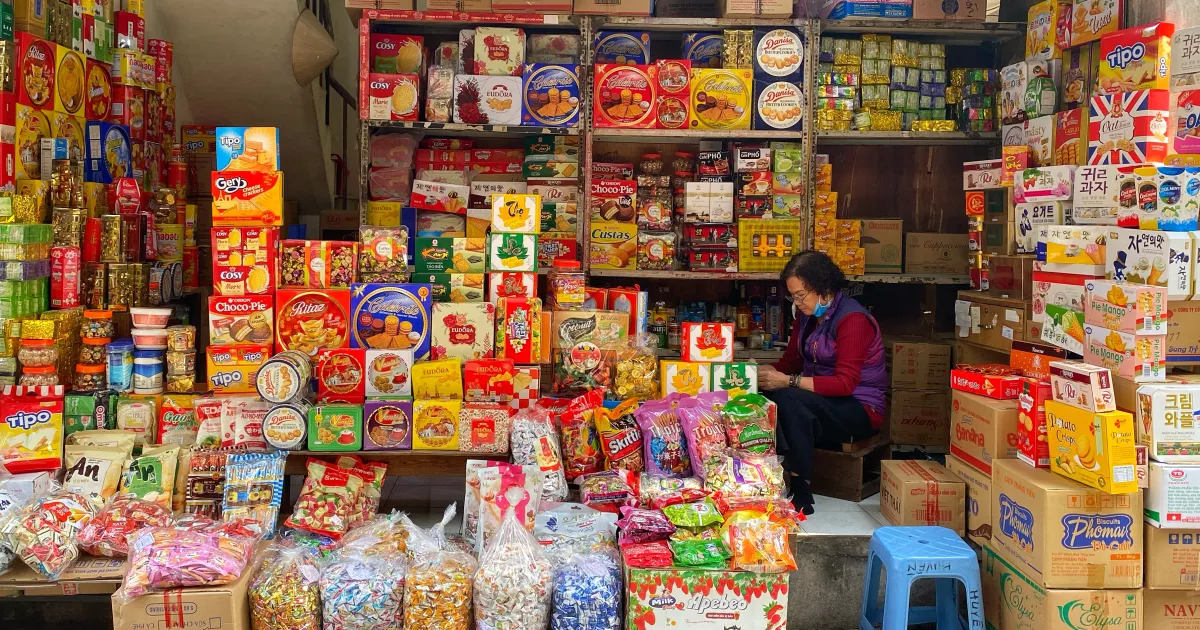
Adolescence is a pivotal period for nutrition and health when young people begin to make more of their own decisions about what, where, and when to eat. Across low- and middle-income countries, adolescent development is now occurring alongside rapid changes in food environments—the places where people purchase and consume food—driven mainly by urbanization. These shifts often make unhealthy options such as ultra-processed snacks and other foods high in added sugar, saturated fats, and salt more convenient, affordable, and desirable.
In this blog series, researchers from theCGIAR Science Program on Better Diets and Nutritionexplore how food environments in Viet Nam, Ethiopia, and Ghana shape adolescent diets and what actions are needed to support healthier choices during this critical stage of life
This post highlights findings from a study that examined whether urbanicity is linked to adolescent diets and nutritional status in Viet Nam
Urbanization is rapidly transforming food environments in many countries, with 68% of the global population expected to be living in urban areas by 2050. In Viet Nam, where the urban population is projected to expand from 19% in 2000 to 50% by 2030, this trend is expanding access to a wide range of foods, including energy-dense and ultra-processed products. These changes bring both opportunities and risks, particularly for adolescents as they gain more autonomy over their food choices. But what does urbanization really mean for adolescent diets and nutrition?
To answer this question, researchers from IFPRI, Wageningen University & Research, and Viet Nam’s National Institute of Nutrition examined how urbanicity relates to diets and nutritional status among Vietnamese adolescents. Our findings point to a widespread and varying set of nutrition challenges rather than a simple rural-urban divide among Vietnamese adolescents: poor diet quality alongside rising overweight and obesity
Published in the Journal of Nutrition, our study draws on cross-sectional household dietary and anthropometric data collected from 2,861 adolescents aged 11-19 from rural, peri-urban, and urban areas of northern Viet Nam in 2022 and 2023, exploring differences across settings
A double nutrition challenge across settings
Overall, diet quality was suboptimal, with average Global Diet Quality Scores (GDQS) ranging from 18 to 19 out of 49 possible points. Using GDQS risk categories, more than 80% of adolescents had moderate or high risk of nutrient inadequacy and noncommunicable diseases, with similar proportions observed in rural, peri-urban, and urban areas
Micronutrient adequacy was also very low—on average, adolescents had only a 40% chance of meeting recommended daily intakes for vitamins and minerals. Underweight was relatively uncommon across settings, affecting just 5%-7% of adolescents. In contrast, overweight and obesity increased significantly with urbanicity: prevalence was nearly three times higher in urban areas (29%) than rural areas (11%)
These findings suggest that adolescents in Viet Nam may be uniquely vulnerable to urban environments. Compared with their mothers, adolescents had lower overall diet quality (GDQS 17.7–19.0 vs. 19.5–21.3), while overweight and obesity showed a marked urban gradient among adolescents (29% in urban and 11% in rural) but not among mothers (15%–19%)
Urban diets: a nuanced reality
Urbanization is often assumed to lead to poorer diets due to greater accessibility to unhealthy foods. Our findings paint a more nuanced picture
Urban adolescents had slightly higher GDQS scores than rural adolescents (indicating a healthier diet), although the difference was very small. This was largely driven by higher consumption of healthy food groups (e.g., fruits and vegetables, legumes, and eggs) in urban areas, rather than lower consumption of unhealthy foods
In fact, urban and peri-urban adolescents reported higher intake of several unhealthy food groups than that of rural adolescents, including high-fat dairy products, processed red meat, white roots and tubers, and sweets and ice cream. One exception was sugar-sweetened beverages, where urban adolescents reported lower intake. The higher intake of unhealthy foods shows that urban diets differ in composition rather than being clearly healthier than peri-urban and rural diets
Implications for food environment policy
To address the persistent problem of poor diet quality and the rising consumption of unhealthy foods among adolescents across rural, peri-urban, and urban settings in Viet Nam, food environment policies should both stimulate demand for healthy foods and curb any further rise in consumption of unhealthy foods. Priority actions include:
- Strengthening school food environments by implementing nutrition standards for school meals and canteens and increasing the availability of healthy foods and limiting access to unhealthy foods in and around schools.
- Protecting adolescents from all forms of unhealthy food marketing, including digital marketing, as well as regulating the promotion and availability of unhealthy food and beverage products.
- Promoting physical activity, especially in urban areas where overweight and obesity risks are highest, but also as a preventive measure in peri-urban and rural areas.
Phuong Hong Nguyenis a Senior Research Fellow with IFPRI’s Nutrition, Diets, and Health (NDH) Unit;Kim Maasenis an Assistant Professor, Global Nutrition, Wageningen University & Research (WUR), the Netherlands;Elise Talsmais an Associate Professor, Global Nutrition, WUR;Rock Zagréis an NDH Senior Research Analyst; Soyra Gune is a PhD Student, University of California, Berkeley;Lan Mai Tranis a Postdoctoral Researcher, Emory University, Atlanta;Mai Tuyet Truongis Vice Director, National Institute of Nutrition (NIN), Viet Nam; Nga Thu Hoang and Ngoc Ho Thi Vuong are with the NIN Department of Nutrition and Non-Communicable Diseases;Gabriela Fretesis an NDH Research Fellow;Inge D. Brouweris Director of the CGIAR Better Diets and Nutrition Science Program;Marie RuelandJef L. Leroyare NDH Senior Research Fellows. Opinions are the authors’.
We would like to thank all funders who supported this research through their contributions to theCGIAR Trust Fund
Reference:Nguyen, P. H., Maasen, K., Talsma, E. F., Zagre, R. R., Gune, S., Tran, L. M., Truong, M. T., Hoang, N. T., Vuong, N. H. T., Fretes, G., Brouwer, I. D., Ruel, M. T., & Leroy, J. L. (2026). Urbanicity and the diets and nutritional status of adolescents and their mothers in Vietnam. The Journal of Nutrition, 101624.https://doi.org/10.1016/j.tjnut.2026.101624
Featured image credit:
