


Actions
- Tweet
Most toddler snacks in grocery aisles are ultra-processed, study finds
<img src="https://healthylife7.com/wp-content/uploads/2026/07/poster_5661716ac263461080f8e7657ec6b0bf.jpeg” alt=””>
PrevNextYou’d probably expect some of the food in the baby and toddler aisles to be among the healthiest food in the grocery store. But researchers say that’s not always the case. In fact, a new study says that up to 80% of food in those aisles is what’s called ultra-process, with too much sugar, sodium, and fat.

Posted
and last updated
(WXYZ) — You’d probably expect some of the food in the baby and toddler aisles to be among the healthiest food in the grocery store. But researchers say that’s not always the case
In fact, a new study says that up to 80% of food in those aisles is what’s called ultra-process, with too much sugar, sodium, and fat.
See the full story from Keenan Smith in the video below
Most toddler snacks in grocery aisles are ultra-processed, study finds
I to a nutritionist, mommy blogger and a couple of young mothers about how they balance toddler tastes and healthy choices.
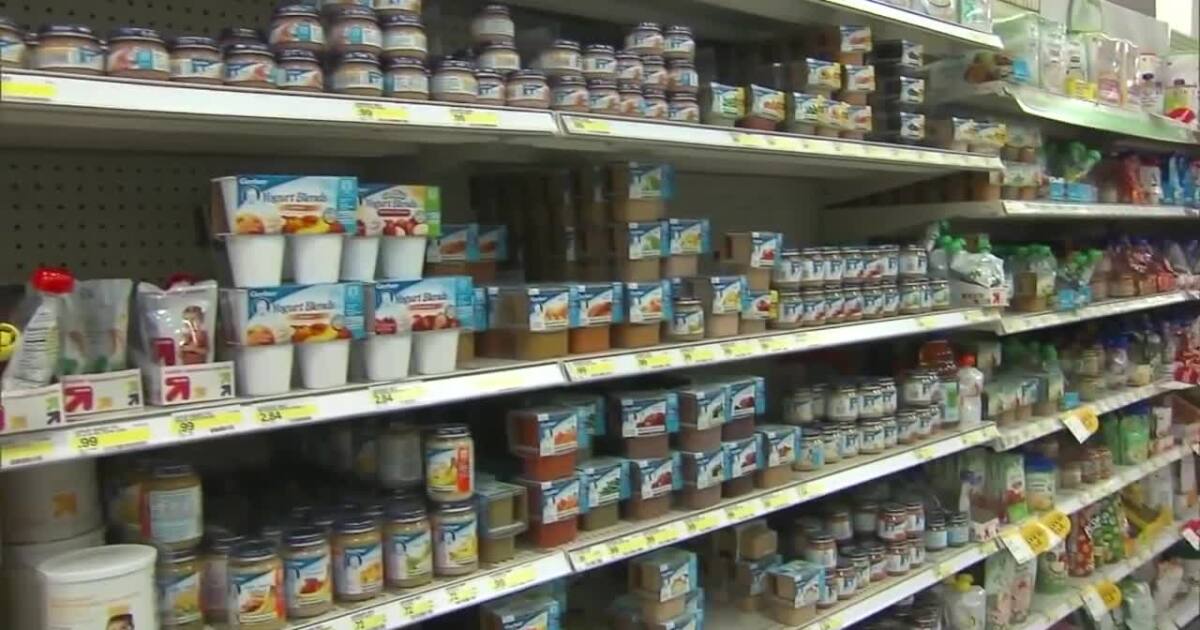
Walk into almost any grocery store and you’ll find shelves filled with foods marketed just for babies and toddlers with bright packaging and healthy-sounding labels
Products many parents assume were designed with growing kids in mind. Researchers from the University of Texas decided to put that assumption to the test
After analyzing nearly 2,800 toddler foods, they found 81% were ultra-processed, and nearly half exceeded World Health Organization recommendations for sugar, sodium, fat or calories.
Abby, the mother of two toddlers, says headlines like these are catching the attention of a growing number of parents
“Parents are more aware of what is in food and what they’re eating, what they are serving their kids,” Abby said
Nutrition experts say that’s exactly where healthy eating begins. Toddlers aren’t just learning how to eat, they’re learning what food is supposed to taste like. Every bite today helps define their taste buds for tomorrow.
Brittany Miles – owner of Metro Detroit Mom and a certified nutritionist – says the challenge with the explosion of ultraprocessed foods for toddlers is that it can become the default instead of a tool in a parent’s toolbox. And the more we present these foods as normal, the more they’re going to think of them as normal. “Exposure shapes their preferences,” she said. “Which can be tricky when we’re giving them a lot of ultra processed foods. Their palate kind of adjusts to expect and prefer those intense flavors.”
But experts say the concern isn’t convenience. It’s what many ultra-processed foods replace
Foods higher in added sugar and refined ingredients can crowd out the fiber, protein and other nutrients toddlers need to grow
“That’s less for fruits and vegetables and healthy fats, and that can lead to nutrient deficiencies over time,” Miles said
Researchers say brightly colored packaging and words like “made for toddlers” can make products appear healthier than they really are
Miles says parents don’t have to become nutrition scientists. Just flip the package over. The signs are there
“If I had to pick just one thing to look for, it would be the added sugar,” she said. “They get used to this overly sweet taste that they think food should have and they expect that.”
The good news? Miles says many of the healthiest foods for toddlers are found just a few aisles away
Simple whole foods like fruit, yogurt, cheese, potatoes and oatmeal often provide more of the nutrients growing children need.
Healthy choices don’t have to be expensive…or perfect
“What you do most of the time matters more than what you do some of the time. And that absolutely applies to your toddler’s eating habits,” Miles said
She says she and her husband model healthy eating and try to avoid ultra-processed foods by making as much of what they can from scratch
“It’s not always the easiest or most convenient but I think it’s important and I think especially now we know so much more about what’s in our food,” she said
Researchers stress this study looked only at packaged foods marketed for toddlers, not everything young children eat, and the findings have not yet been peer-reviewed. Still, researchers say that they don’t want you to assume that any food marketed towards toddlers is automatically bad.
Instead, they hope that this study will encourage parents to spend a little more time reading the nutrition labels and the ingredient list rather than assuming just because the food is geared towards babies and toddlers that it automatically meets nutritional standards
Contact our newsroom
Have a tip, story idea or comment on our coverage? Send us a message. You can also call our newsroom directly at 248-827-9407. Please be sure to let us know if you’d be willing to talk on camera about the topic.
