


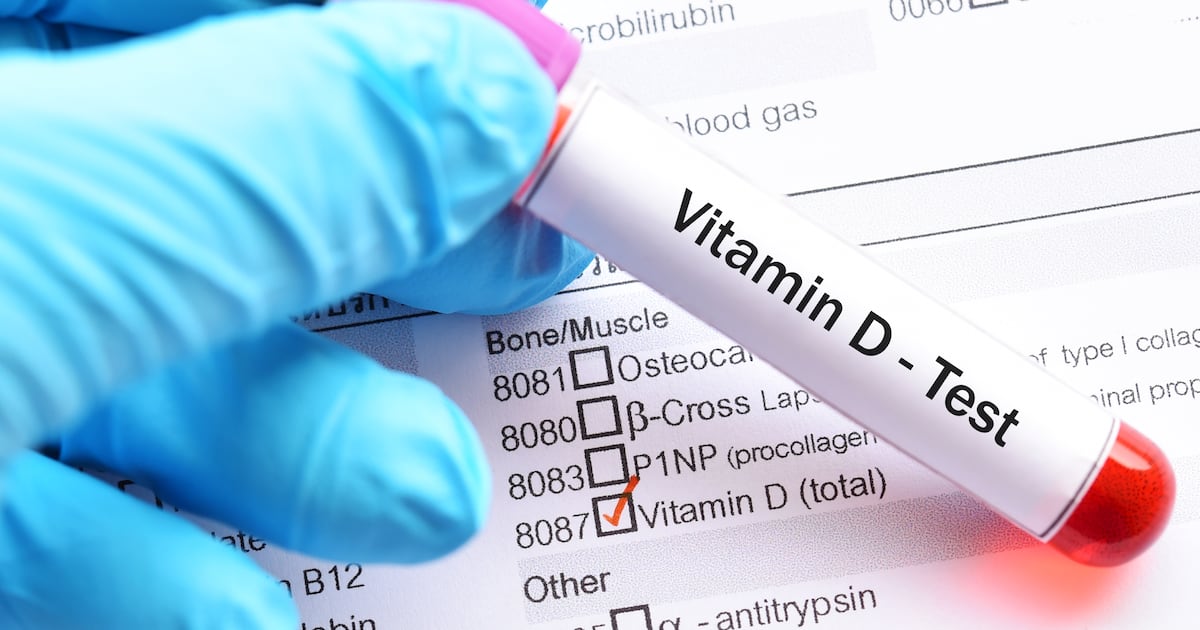
The current <25 nmol/L definition of vitamin D deficiency recommended by Scientific Advisory Committee on Nutrition (SACN 2016) may underestimate the scale of population risk and obscure the real clinical burden in the UK, according to the paper published in Frontiers in Endocrinology
Vitamin D deficiency is the UK’s most widespread micronutrient deficiency, disproportionately affecting people who are poor, overweight or have darker skins. The paper argues that raising the threshold for deficiency to <50 nmol/L would bring the UK into closer alignment with international and clinical practice frameworks, and encourage a cost-saving preventive approach to ‘vitamin D health’
Prof. Martin Hewison, the paper’s lead author and professor of molecular endocrinology, said this work is the first major publication from the working group formed in 2024 by a clinician, discovery scientists, nutritionists and experts in food and supplements research
He said it was the experience of group member Dr Suma Uday, a paediatric endocrinologist at the Birmingham Women’s and Children’s Hospital, which acted as catalyst for the report
“Dr Uday’s work on the childhood bone disease rickets indicated that this serious manifestation of vitamin D deficiency was still a prevalent health problem, particularly amongst ethnic minority communities,” said Hewison. “Her work had also shown that rickets is really the tip of the vitamin D deficiency iceberg and that low vitamin D levels were common in communities across the UK.”
The report provides an overview of vitamin D health in the UK, through NHS UK data on reported cases of vitamin D deficiency and the bone disease rickets (2014-2025, from freedom of information request), National Diet and Nutrition Survey Data for low vitamin D status in the UK (2008-2023), and studies of changes in vitamin D intake in the UK and Europe across the last 20 years
It highlights that despite national initiatives by the SACN, severe vitamin D deficiency (less than 25 nmol/L 25-hydroxyvitamin D) continues to be prevalent in the UK, and it is increasing in teenagers, ethnic minority groups, pregnant women and people with obesity
What’s more, clinically recorded cases of rickets have not declined, yet dietary intake of vitamin D has declined because sunlight is not optimal in the UK and this shortfall is not being counteracted through diet
Hewison explained that raising the deficiency threshold would align the UK with most other international organisations and provide a more realistic view of vitamin D health in the UK which could prompt officials into action
“A realistic view would hopefully be a ‘wake-up call’ for UK health officials and clinicians. This might have the immediate benefit of it then being possible to make broad assumptions of vitamin D deficiency in some UK groups,” he said. “It would therefore be prudent to assume vitamin D deficiency in these groups and specifically target everybody in these groups, without even needing any analysis of vitamin D status, with vitamin D supplements – at the very least during the Winter months when it is impossible to make sufficient vitamin D via skin in the UK.”
Dietitian and co-author Dr Carrie Ruxton noted that given there are vitamin D receptors in the gut, heart, brain and immune system, the effects of vitamin D deficiency likely go well beyond bone health
“The current way of defining vitamin D deficiency is too timid and out of step with other developed nations,” she told NI. “This falsely puts millions of people in the ‘adequate’ category when in fact they are deficient and need supplements or fortified foods.”
Dr Samantha Christie, co-author and scientific advisor at Greenwich Integrated Health, London, said there is a significant opportunity for supplementation and food fortification to play a role in boosting vitamin D levels, especially given the work to harmonize levels across Europe
“It’s undoubtedly a timely and exciting chapter for vitamin D food supplements and fortification in the UK,” she said. “Both in terms of significant public health gains and the eminent max levels proposals for micronutrients from the European Commission. Our evidence base can also help inform and shape the discussions with policy-makers and regulators on both sides of the Channel with the UK-EU Sanitary and Phytosanitary (SPS) Agreement.”
