


- New Medicaid work requirements could put rare disease patients at risk of losing coverage, even when their medical conditions prevent them from consistently working.
- Advocates warn that vague exemption rules and differing state policies could cause undiagnosed patients, caregivers and people with fluctuating conditions to fall through the cracks.
- NORD CEO Pamela Gavin explains what families should do now to protect their coverage before the requirements take effect.
CNBC Cures is proudly under AstraZeneca Rare Disease, whose support enables our journalism to elevate stories that advance research, innovation and patient care in rare diseases
When President Donald J. Trump signed the Federal Budget Reconciliation Bill — also known as the “One Big, Beautiful Bill Act” — into law last July, a countdown clock started ticking for the disability and rare disease communities. That’s because as part of the law, anyone receiving Medicaid benefits — a program that many in those communities rely on — would need to meet certain work requirements in order to continue to receive Medicaid
Last month, the Trump administration issued guidance on what those work requirements will look like. Beginning January 1, 2027, Medicaid recipients in the 40 Medicaid expansion states plus Washington D.C. will need to work, volunteer, or undergo job training for 80 hours every month in order to maintain their benefits. For many rare disease patients and their families, the new requirements could threaten their access to the medical care they depend on.
The administration did provide a path for individuals that are unable to work to be granted exemptions from the requirements. For example, pregnant women, a person with a documented disability, and parents or guardians caring for a disabled child under age 14 are not subject to the requirements. “Medically frail” individuals may also be exempt. And CMS also provided guidance that Medicaid expansion states may allow individuals to self-attest that they are unable to meet the work requirements through 2027.
But rare disease advocates worry that the guidance is still too vague, and the runway to implement the requirements is too short for the community to adequately prepare. For one, the requirements won’t roll out across all Medicaid expansion states evenly. While the 40 states that are part of the Medicaid expansion program are required to implement the new work rules by no later than January, some states, like Nebraska, are rolling them out as soon as next week
There is also a chance that the states will interpret “medically frail” differently, meaning a patient that qualifies for a work exemption in one state may not qualify for the same exemption in another.
And when you consider that only a small fraction of rare diseases have a unique ICD code — the standardized system that healthcare providers use to diagnose patients — it remains unclear how many rare disease patients will actually qualify for the disability exemption
This week, CMS’s public comment period on the new work requirements closes. The National Organization for Rare Disorders, or NORD, which submitted its public comment on Wednesday, is among the rare disease advocacy groups worried that many people in their community are not prepared for how their benefits will be impacted.
But it’s an issue that rare disease patients and their families will need to think about. Recent analysis by KFF found that, on average, disabled individuals accounted for nearly $21,000 of Medicaid spend per person. That’s almost three times the average American
We asked NORD CEO Pamela Gavin how she’s helping rare disease families to prepare for the looming Medicaid changes
The article below is an abbrel Producer Brad Quick. For the full interview, please sign up for theCNBC Cures newsletter, which comes out on Friday
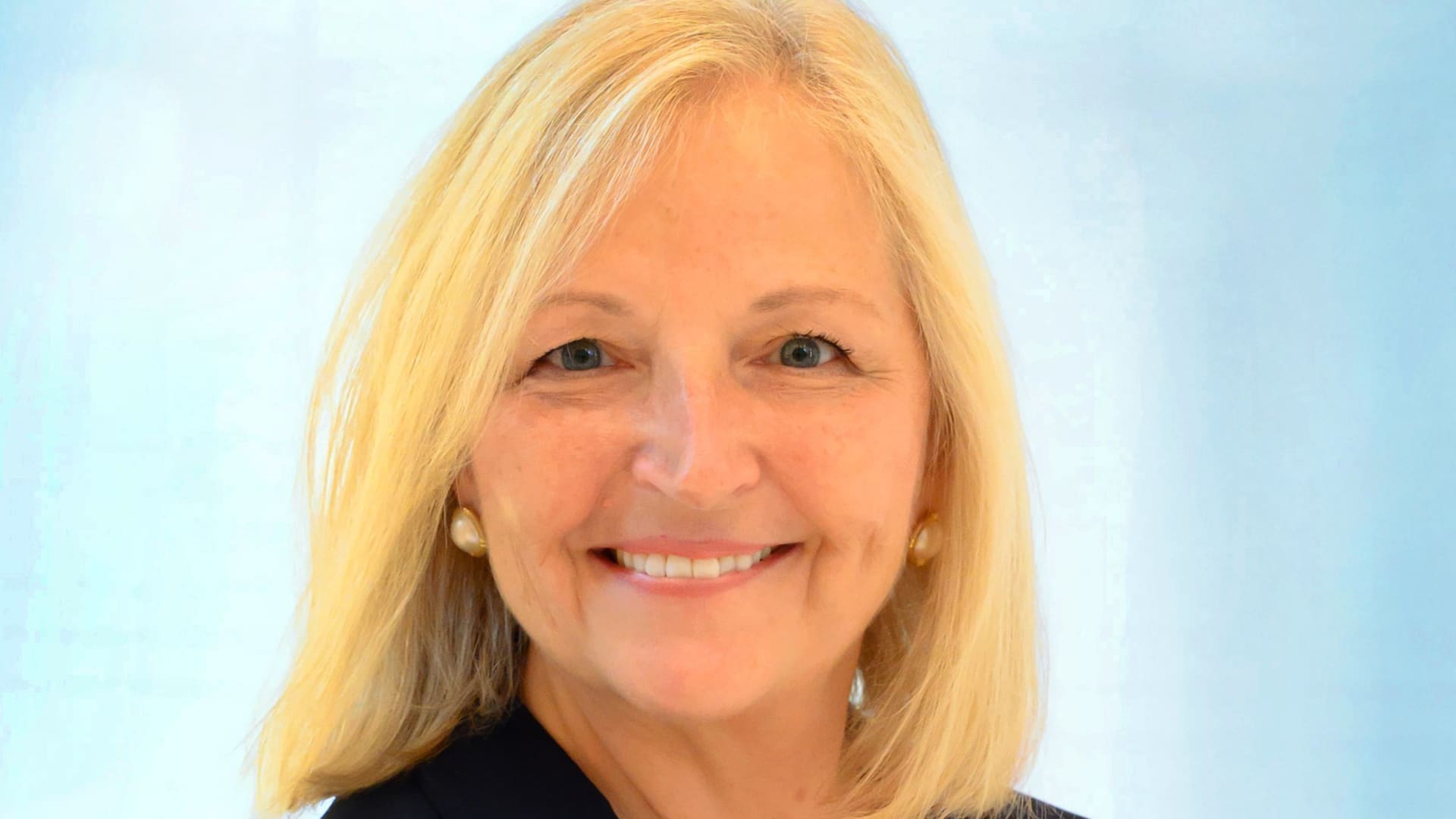
Pamela Gavin, CEO of the National Organization for Rare Disorders (NORD)
Courtesy of National Organization for Rare Disorders
CNBC Cures: What are you hearing from the rare disease community?
Pamela Gavin, NORD CEO: In the general public, among the people who are actually going to be impacted, I think there are challenges to really understanding what is going on until it happens
The majority of people, if they’re not advocates, are just trying to survive in the rare disease space. They’re living day to day and struggling with a whole host of issues, many of which have financial, mental and behavioral health consequences
There are also a lot of people who don’t even realize they’re being covered by Medicaid. Medicaid often has a different name from state to state. In Massachusetts, for example, it’s MassHealth. If you’re not a policy wonk or somebody steeped in health insurance, you may not even know that you’re in a Medicaid expansion state and that the insurance coverage you have is a Medicaid program affected by this
But it will hit them fast when they get a denial or a letter saying they are no longer covered — or when they go to their local pharmacy and something that cost $5 suddenly costs $1,000
CNBC Cures: Who within the rare disease community is most vulnerable to these requirements?
Gavin: The undiagnosed are one group. They’re often really sick without a definitive diagnosis. Sometimes you’ll see in their medical notes that clinicians are pursuing one condition or another. But if states are going to use automated systems and electronic health records to identify people, those patients could get lost
People who don’t have a specific ICD-10 diagnostic code are also not going to be easily identified through those healthcare systems
Then there are people with episodic or progressive diseases whose ability to work can fluctuate over time — dramatically changing from month to month
There are also people undergoing intensive treatment or participating in clinical trials. If they need to travel or temporarily relocate for care, which is not uncommon in the rare disease community, they may either have to say no to those opportunities to accommodate the work requirements or risk losing their coverage
And then there are caregivers managing significant responsibilities for medically complex children or adults. These are people we don’t want to lose coverage because of administrative processes that fail to recognize their circumstances
CNBC Cures: Give me a specific example of how someone could unintentionally lose Medicaid coverage under these requirements
Gavin: Think about somebody who is actively working and meeting the requirements. Their disease suddenly flares up, and they are hospitalized or have to undergo treatment. For a period of time, they temporarily can’t work
They could conceivably get the time off from work that they need. But if they don’t understand the limitations for their Medicaid coverage, they could easily lose coverage at the time when they actually need it most — because it’s their medical condition that requires that insurance coverage
What do they do? Choose not to be treated?
If they’re trying to recover while managing appointments, medications and specialists, and now they also have to provide documentation explaining why they couldn’t meet the requirement, how easy or clear is that documentation going to be? And are they going to be informed ahead of time?
That’s an example of somebody who was actually meeting the requirements and doing what was expected from the very beginning
If they don’t understand the limitations for their Medicaid coverage, they could easily lose coverage at the time when they actually need it most — because it’s their medical condition that requires that insurance coverage. What do they do? Choose not to be treated?”
Pamela Gavin
NORD CEO
CNBC Cures: If someone does lose their Medicaid coverage and has to file an appeal with a government agency, could they lose access to their treatment while appealing the decision?
Gavin: They could. It depends on whether the treatment is available through the emergency room
People can go to the ER, but then they become self-pay patients and hospitals ultimately may not get paid for those services. A financial spiral starts to occur
And depending upon their condition and the reason for going into the emergency room, it’s not clear that they’re going to have access to the treatments they need. They may have access to symptom management, but if the ER doesn’t have access to a specialty medication they ultimately need, they’re going to care for them, but not optimally
CNBC Cures: What should patients and families be doing now to prepare?
Gavin: Make sure the Medicaid agency you’re engaged with has your current address, phone number and email. Make sure they can find you
Make sure all of your documentation for your current coverage is organized and up to date. Communicate with your Medicaid contact person so you understand whether these requirements apply to you
Don’t throw away your Medicaid notices. Sometimes the paperwork can look plain vanilla, and you get lots of it. Some is just FYI, but open every Medicaid notice you receive
Make sure your medical records are organized and that you have information about your providers. Providers are going to play a role in confirming your case, so make sure the documentation you have — or have as a caregiver for a loved one — and what your clinician has is up to date
And get engaged with what’s going on in your state, because that’s going to be most important. It’s not going to be the same across every state
Don’t wait until something catastrophic happens or until you learn that you’ve lost coverage. Be proactive. These steps aren’t silver bullets, but they can perhaps make a difference in protecting your coverage
Don’t wait until something catastrophic happens or until you learn that you’ve lost coverage. Be proactive. These steps aren’t silver bullets, but they can perhaps make a difference in protecting your coverage.”
Pamela Gavin
NORD CEO
CNBC Cures: Why should people care about this? What is the broader message you want them to understand?
Gavin: Our biggest concern is that there are people who truly meet the criteria for being on Medicaid and its original purpose, mission and goals who will fall through the cracks — not because they don’t meet the criteria, but because of administrative requirements that may not be met
Fundamentally, access to healthcare through Medicaid doesn’t just represent an insurance card. It means access to specialists, medications, therapies and diagnostic testing. If somebody is undiagnosed, that diagnostic work can be absolutely critical to getting them on the right pathway for clinical care and treatment
It also means access to home- and community-based services and other essential care that affects people’s daily lives and quality of life
Our concern is about implementing policy in a way that meets the intention of the law without creating unnecessary consequences that affect medically vulnerable people
There are also people who want to work. Someone may have medical challenges that come and go because of their rare disease, but they want to recover from that flare-up and get back to work
If people have access to healthcare, they tend to stay healthier and more engaged in the community and the economy. That’s beneficial for everyone. If more people end up in emergency rooms, that economic burden proliferates across the healthcare system
Choose CNBC as your preferred source on Google and never miss a moment from the most trusted name in business news.
watch now
watch now

Read More
