



 Leah Groth, Shannen Zitz
Fri, July 10, 2026 at 12:30 PM UTC
“Hearst Magazines and AOL may earn commission or revenue on some items through these links.”
If weight loss is your goal, any changes you make to your daily routine must start in the kitchen. One simple tweak that many people look to first is incorporating more fat-burning foods into their diet
“The term ‘fat-burning foods’ is catchy but misleading. No single food literally burns fat. What people really mean is that certain foods may support metabolism or help with satiety, making it easier to manage weight over time,” said Keri Gans, R.D., author of The Small Change Diet
Meet the Experts: Luiza Petre, M.D., a board-certified cardiologist and nutrition expert; Kimberly Gomer, M.S., R.D., L.D.N., the director of nutrition at Pritikin Longevity Center; Laura Cipullo, R.D., a nutritionist and co-author of Diabetes Comfort Food Diet; Keri Gans, R.D., author of The Small Change Diet;Lisa Mikus, R.D., C.N.S.C., C.D.N., owner of Lisa Mikus Nutrition Therapy
While not necessarily the magic bullets you may be looking for, eating more of these metabolism-friendly foods can be a big help to your weight loss efforts, said Luiza Petre, M.D., a board-certified cardiologist and nutrition expert, especially if you’re also making other smart choices in and out of the kitchen
So, what do all these foods have in common? “The best and healthiest foods for weight loss are naturally high in fiber and water, and naturally low or moderately low in calorie density,” said Kimberly Gomer, M.S., R.D., L.D.N., the director of nutrition at Pritikin Longevity Center. Another important factor, Gomer added, is to focus on whole foods over processed ones, which have more nutritional value and help you feel fuller for longer
Read on to discover the best fat-burning foods that nutrition experts recommend to help support a healthy metabolism on your way to achieving your weight loss goals
The best fat-burning foods
Quinoa and brown rice
Gomer recommended cooking up some of these whole grains, which are high in both fiber and protein that will help keep you fuller, longer. They make a great accompaniment to any meal or a base for salad. One study published in the journal Microbiology Spectrum found that quinoa, specifically, helped improve obesity induced by a high-fat diet
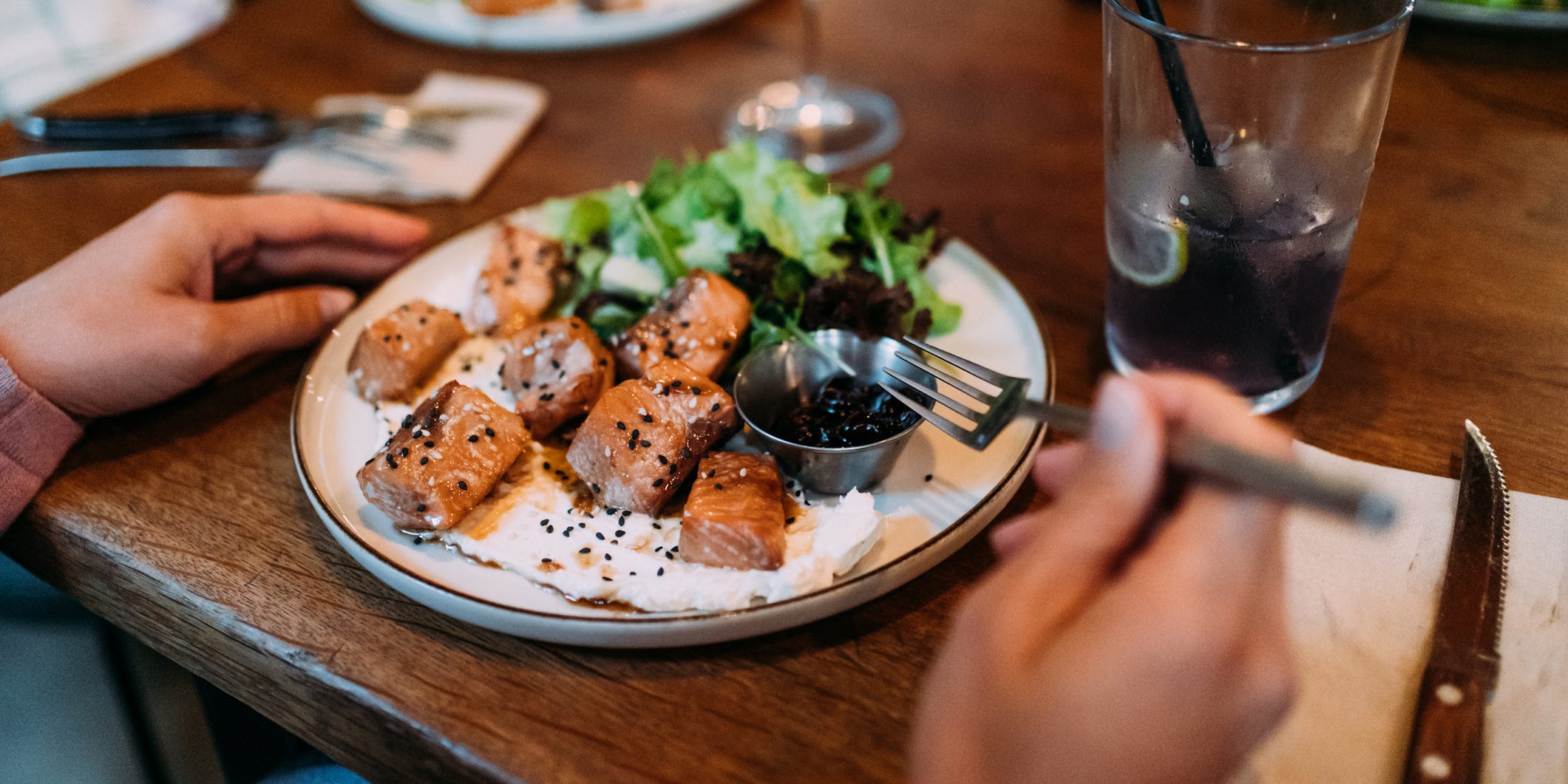
Lean proteins such as chicken, turkey, salmon, and lean beef
Research shows that a high-protein diet is an effective and safe tool for weight loss. That’s because protein promotes muscle growth and repair, as it is made up of amino acids, the building blocks of your muscle. “You actually burn more calories to process protein than carbs and fats,” explained Dr. Petre. This is because it has a higher thermic effect, which is the energy you use to digest food into absorbable particles. It also keeps you from craving more food, as it slows down digestion. “Over time the calories saved equal weight loss,” Dr. Petre added.
A bonus? Eating plenty of high-protein foods also slows down the absorption of sugar into your bloodstream, which wards off sweet cravings and keeps your blood sugar stable
Ginger and turmeric
Fresh ginger root is packed with beneficial nutrients and relaxes the intestinal tract, explained Dr. Petre. It also may help lower inflammation and cholesterol, improve digestion, provide general relaxation, and aid with fat loss. A meta-analysis in Nutrition Reviewsfound that there may be an association between ginger consumption and a reduction in body weight and body fat
A relative of ginger, turmeric is believed to boost metabolism with its anti-inflammatory effects “Turmeric also contains an anti-inflammatory component, curcumin, that suppresses inflammatory messaging in many cells, including fat, pancreatic, and muscle cells,” she explained. “This can help curb insulin resistance, high blood sugar, high cholesterol levels, and weight gain.”
Kale earns its superfood status by being low in calories and packed with vitamins and minerals. “Kale contains manganese, a mineral essential for processing food into energy for your cells,” explained Dr. Petre. It is also rich in protein, at nearly 3 grams per serving, and is full of antioxidants that counteract aging and diseases such as cancer
Cucumber
Cucumbers’ most significant contributor to weight loss is their high water and low calorie content, which increases hydration and satiety without adding too many calories. Cucumbers also contain the flavonol antioxidant quercetin, shown to fight inflammation. “Packed with magnesium, the seeds help avoid constipation by hydrating the digestive lining,” Dr. Petre added
Chocolate
No, this is not a typo. According to Laura Cipullo, R.D., nutritionist and co-author of Diabetes Comfort Food Diet, chocolate may actually help keep your eating plan on track by preventing the “last supper” syndrome of binge eating. “In an effort to convert this attempt at being healthy to a new lifestyle, start with food you know you already love, such as dark chocolate or even milk chocolate,” she said. Why chocolate? Dark chocolate contains antioxidants and is a source of satiating fat. “You need fat in your diet to feel full, so don’t feel bad about including chocolate in your diet,” said Cipullo.
Beans
Beans are full of nutrients and insoluble fiber. “Insoluble fiber expands in your belly and GI tract when combined with any liquids. You may at first seem full and perhaps bloated, but the added liquid will help to create a bowel movement which leaves you feeling ‘regular’ and without bloat,” explained Cipullo. One study found that participants with high bean intake had less abdominal obesity than their counterparts, posing the idea that beans and legumes are ideal for weight management.
Advertisement
Mushrooms
Cipullo noted that button mushrooms contain glutamic acid, a compound that tastes just like salt. Instead of noshing on potato chips or salted nuts—foods that most of us struggle to eat in small quantities—add raw or cooked mushrooms to your sandwich, wrap, or as a side with lunch to get the salty taste you crave. You can also incorporate them in nearly every meal, including omelets, salads, wraps, stir-fries, and stews. Research has also proven that mushrooms possess anti-inflammatory properties that may support weight loss.
Hummus
The Middle Eastern spread—made primarily out of garbanzo beans, olive oil, and tahini—is a great weight loss food, according to Cipullo. “It’s rich, creamy, and available in a myriad of satisfying flavors,” she said. She suggested using one-third of a cup to add to veggie sandwiches or just as a snack with a side of veggies. “When used in one-third cup portions, the hummus can qualify as both a source of vegetarian protein and monounsaturated fat,” Cipullo explained. A review in Nutrients of hummus’ health benefits found it to be associated with improved nutrient intake, diet quality, and healthier eating habits overall.
Apples
Cipullo strongly suggested making “an apple a day” your new mantra, mainly because the fruit is a great source of vitamins and minerals—and pectin, a filling fiber. “The pectin in apples really serves to satiate, and the crunch when eating an apple appeals to psychological satisfaction,” she explained. Basically, you won’t need chips when you can crunch on crisp apples. What’s more, research in The American Journal of Clinical Nutritionfound that daily apple consumption reduces inflammation in people who are overweight or obese.
Nut butter
“As a nutritionist, I recognize the value of blood sugar and hormone management for staying full,” Cipullo said. “By eating carbs, proteins, and fats together, you lower the glycemic load of the meal and therefore decrease your output of insulin.” Clients who are insulin resistant tend to feel hungrier and gain weight in their abdominal area, she added. One possible fix Cipullo recommended was to eat peanut butter or almond butter with breakfast or with fruit as a snack
Avocado
Avocado is rich in monounsaturated fat—the good kind—and is a great food to eat when you are trying to lose weight because it helps increase satiety until your next meal, explained Lisa Mikus, R.D., C.N.S.C., C.D.N., owner of Lisa Mikus Nutrition Therapy. She also pointed out that about half an avocado offers 6 grams of fiber and more potassium per gram than a banana
Spinach
Packed with folate (an essential B vitamin) and fiber-friendly, this leafy green is a wonderful food to incorporate into your meals. “Spinach has a high water content which makes it lower in overall calories, while offering a high nutrient content,” explained Mikus. She suggested eating it raw in salads, sautéing with olive oil, garlic, and lemon, or adding to smoothies
Whole eggs
Eating whole eggs—versus just egg whites—provides fat, fat-soluble vitamins, and protein “The combination of fat and protein keeps you feeling full for a longer period of time while the body slowly breaks down these macronutrients,” she explained
Sweet potatoes and yams
Sweet potatoes and yams are high in fiber, vitamin C, and also have high levels of the antioxidant beta-carotene. “This versatile root vegetable makes a wonderful addition to a balanced dinner and is even great as a snack,” Mikus said. What’s more, one study in the Journal of Functional Foodsfound that the resistant starch in sweet potatoes may reduce weight gain
Bananas
Are bananas good for you? You bet! A banana, only 120 calories and boasting 3 grams of fiber, is a filling snack—especially when paired with a nut butter. They also provide a good
Greek yogurt
Mikus explained that nutritionists prefer Greek yogurt over traditional yogurt because it’s higher in protein and naturally lower in sugar, especially when consumed plain. It is also a greats. “Avoid buying 0% Greek yogurt, as 1% and 2% offer fat that will help keep you satisfied for longer,” she added
Oatmeal
Oatmeal not only provides soluble fiber, but it also has a higher protein content than most other grains, explained Mikus. “Eat oatmeal in the mornings for a wholesome start to your day that will keep you full for three to four hours,” she advised. Consider topping with chopped almonds for more protein and blueberries for added fiber, and avoid sugary pre-made packets or toppings that are nutritionally lacking
Nuts
“Nuts are rich in protein, fiber, and healthy fats, which promote satiety and may aid in portion control,” Gans explained. Some of the healthiest nuts to consider adding to your diet are pistachios, walnuts, almonds, Brazil nuts, and pecans. Try adding these on top of a Greek yogurt bowl for a breakfast that keeps you full for hours
Green tea
Green tea, while technically a beverage, has long been touted as a potential weight loss supporter. That’s because green tea “contains catechins and caffeine, which may slightly boost calorie burn and fat oxidation,” Gans explained. While it’s not the be-all-end-all for weight loss, it might be worth adding a cup to your morning routine. One review published in Discover Foodfound that green tea consumption significantly reduces body weight in people with obesity, especially when combined with regular exercise.
How do you actually boost metabolism?
“Metabolism is the process your body uses to convert food into energy. It includes everything from digesting food to breathing and circulating blood,” Gans explained. “The biggest factors that affect metabolism include age, muscle mass, hormones, physical activity, and even sleep.” By making sure you get enough sleep every night, eat well, and exercise regularly, you can help maintain a healthy metabolism
In terms of diet, certain foods may help support the metabolism. “For example, protein has a higher thermic effect, meaning your body uses more energy to digest it,” said Gans. “Caffeine fromburn. Fiber helps keep you full, which can aid in reducing overall calorie intake. But it’s about overall diet and lifestyle, not one nutrient or food.”
How to design the best meals for weight loss
The right balance of protein, fiber, and fat in your meals (and snacks) will help you feel fuller for longer. Gans suggested using the plate method to build out your meals. “One-quarter of the plate should be a protein—fish, chicken, or tofu—another quarter should be a carb—barley, sweet potato, or even pasta—and the remaining plate or dish, should be lots of veggies,” Gans said. “The plate method may be useful in helping a person consume fewer calories per meal, especially at dinner time.”
You Might Also Like
Common Household Items Linked to Thousands of Deaths From Heart Disease
I Slept on the Saatva Classic Mattress for 5 Months—Here’s My Verdict
