


Best Ways To Stop Hair Thinning and Falling Out
Search
AdvertisementAdvertisement
July 15, 2026/Health Conditions/Skin Care & Beauty
What Can You Do To Stop Your Hair From Thinning and Falling Out?
The sooner you address hair loss, the better your chances of preserving — and even regrowing — it
Image content: This image is available to view online
View image online(https://assets.clevelandclinic.org/transform/4da1c88b-bc7c-445f-849b-be4e885e8090/person-looks-mirror-hair-loss-1468441647)
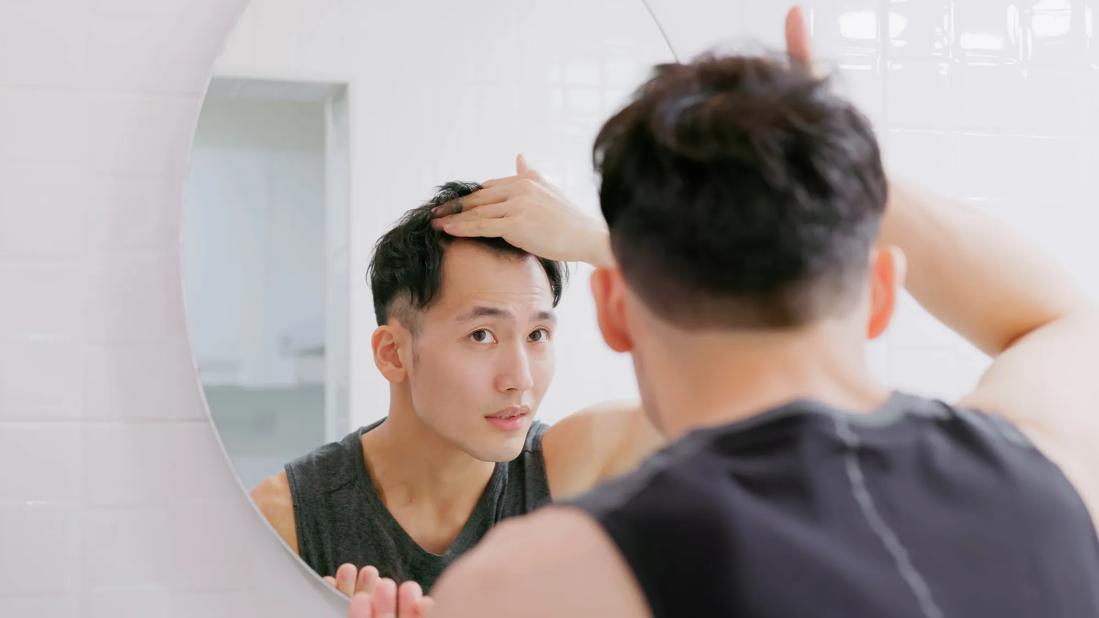
Person looking in mirror, checking their hairline
Finding a few hairs in your brush or shower drain isn’t cause for alarm. In fact, losing about 100 hairs a day is a normal part of the hair growth cycle
Cleveland Clinic is a non-profit academic medical center. Advertising on our site helps support our mission. We do not endorse non-Cleveland Clinic products or services.Policy
But if the head of hair you’re brushing suddenly seems thinner than it used to, don’t ignore it: “Hair loss treatment is about preservation first,” says dermatologist Chey Ranasinghe, MD. “The biggest mistake people make is waiting.”
Here’s what Dr. Ranasinghe recommends to help stop your hair from thinning or falling out
What can you do to preserve your hair?
Don’t assume there’s nothing that can be done if your hairline starts creeping back. A combination of medications, treatments and healthy habits can often slow hair thinning — and sometimes, even reverse some of it
Early intervention is key, so start a conversation with a dermatologist as soon as you notice your hair thinning. They can identify the cause of your hair loss and offer treatment suggestions to improve hair health
“I like to compare it to taking care of your lawn,” says Dr. Ranasinghe. “It’s much easier to keep grass healthy than it is to regrow it after it’s gone.”
Here’s how to keep your locks looking luscious
Hair loss medications
Medications are often the first step for halting hair thinning — and maybe even regaining some of what was lost. They include:
- Minoxidil (Rogaine®): Available over the counter, this topical medication helps stimulate hair growth and can slow further thinning. It works best if started early and used consistently.
- Oral minoxidil: Some dermatologists prescribe oral minoxidil for hair loss. It may be an option for people who don’t tolerate the topical version well or find it difficult to use consistently.
- Finasteride (Propecia®): This prescription medication lowers dihydrotestosterone (DHT) levels, a testosterone-derived hormone that can shrink hair follicles. It’s more commonly used for male-pattern baldness.
Advertisement
Many people use both minoxidil and finasteride because they target hair loss in different ways
“Minoxidil helps the hair grow,” explains Dr. Ranasinghe. “Finasteride addresses why the hair is shrinking.”
Hair restoration therapies
Some people also use in-office and at-home therapies to address hair loss. These options can play a role in a broader treatment plan depending on what’s causing your hair thinning and hair restoration goals
Treatments include:
- Red light therapy: These at-home devices use specific wavelengths of red light to stimulate hair follicles and support hair growth.
- Platelet-rich plasma (PRP): This in-office treatment injects platelets from your own blood into your scalp to encourage healthier hair growth. PRP typically requires multiple sessions followed by maintenance treatments.
Dr. Ranasinghe stresses that these therapies work best as additions to medications, not replacements for them
Dietary adjustments
Your hair needs to be fed to stay healthy. “Hair is made of protein,” emphasizes Dr. Ranasinghe. “Your body needs enough protein, along with vitamins and minerals, to build healthy hair.”
She recommends focusing on a balanced eating plan that includes:
- Lean protein
- Fruits and vegetables
- Whole grains
- Healthy fats
- Foods rich in iron and zinc, as well as vitamins A, B, C, D and E
The Mediterranean diet checks many of those boxes and supports overall health, too
Generally, Dr. Ranasinghe recommends getting hair-boosting nutrients through food rather than supplements. Some supplements can even make hair loss worse if they contain too much of certain nutrients. Talk to a healthcare professional before starting a supplement routine
Proper hair and scalp care
Healthy hair grows from a healthy scalp. Keeping your scalp clean, addressing dandruff or inflammation, and following good hair care practices can help create the best environment for healthy hair growth
“It’s like growing a rose bush,” illustrates Dr. Ranasinghe. “You need the right soil, water, sunlight and nutrients. Hair is the same in a way. Everything works together.”
Healthy practices include:
- Regularly washing your hair and scalp
- Conditioning your hair to reduce dryness and breakage
- Detangling gently with a wide-tooth comb or fingers, especially when hair is wet
- Patting your hair dry with a soft towel instead of rough rubbing
- Avoiding tight hairstyles (like buns or braids) that pull on hair roots
- Limiting heat styling with flat irons, curling irons and blow-dryers
- Avoiding excessive bleaching or harsh chemical treatments
Manage stress
While stress isn’t usually a primary cause of hair loss, it can be a contributing factor. (Plus, let’s be honest, chronic stress really isn’t ideal on any level.)
Advertisement
“Stress increases our cortisol levels, and this hormone imbalance then disrupts the hair cycle and can lead to follicle dysregulation,” explains Dr. Ranasinghe. “Hair is a very sensitive organ. People don’t really think of it as an organ, but it is.”
Can thinning hair always be reversed?
Not always. How much hair you might regain depends on several factors, like:
- The cause of your hair thinning
- How advanced it is
- How early treatment begins
That’s why Dr. Ranasinghe encourages people not to wait until they’ve lost a significant amount of hair to seek help. Balding is incredibly common, affecting an estimated 80% of men and 50% of women
Hair loss typically increases with age, but it can also start at a young age — even during the teenage years. That’s when early action is most critical
“If you’re noticing thinning or a receding hairline, don’t assume it’s too early to do something about it,” Dr. Ranasinghe advises. “The sooner you start, the more hair you may be able to keep.”
Advertisement
Better health starts here
Sign up for our Health Essentials emails for expert guidance on nutrition, fitness, sleep, skin care and more.
Example emailSign up
Sign upExample email
Learn more about our editorial process
Health Library
Hair Loss Treatments
Overview
Treatment Details
Risks / Benefits
Recovery and Outlook
When To Call the Doctor
Health Library
Hair Loss Treatments
Overview
Treatment Details
Risks / Benefits
Recovery and Outlook
When To Call the Doctor
Advertisement
Related Articles

July 6, 2026/Skin Care & Beauty
Why Do Some Men Lose Their Hair?
https://health.clevelandclinic.org/why-do-men-go-bald-and-is-there-anything-you-can-really-do-about-it
Genetics, hormones and aging are usually responsible, but treatments can help slow hair loss and even encourage regrowth
May 19, 2026/Skin Care & Beauty
Why Is My Hair Falling Out?
https://health.clevelandclinic.org/why-is-my-hair-falling-out
Natural shedding, alopecia and stress are just a few possible reasons for hair loss
May 19, 2026/Women’s Health
When To Worry About Hair Loss
https://health.clevelandclinic.org/how-much-hair-loss-is-normal
Things like stress, heated styling and other health conditions may cause you to lose more hair than normal
March 4, 2026/Skin Care & Beauty
Can Stress Cause Hair Loss?
https://health.clevelandclinic.org/can-stress-cause-hair-loss
A variety of stressors can leave you with bald patches or thinning hair
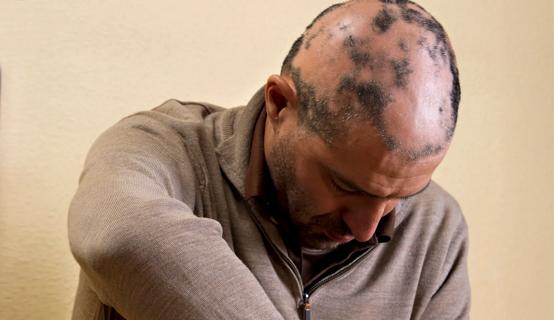
June 6, 2025/Skin Care & Beauty
How Alopecia Areata Can Affect Your Mental Health
https://health.clevelandclinic.org/emotional-effects-of-alopecia-areata
Take steps to reduce stress by practicing meditation, finding time to relax and maintaining a healthy lifestyle
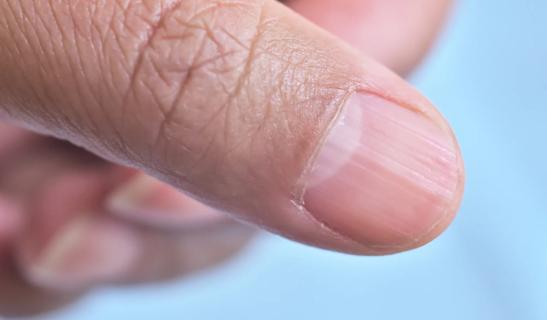
June 6, 2025/Skin Care & Beauty
How Alopecia Areata Can Affect Your Nails
https://health.clevelandclinic.org/alopecia-areata-nails
You may see pitting, brittleness or ridges in your fingernails and toenails
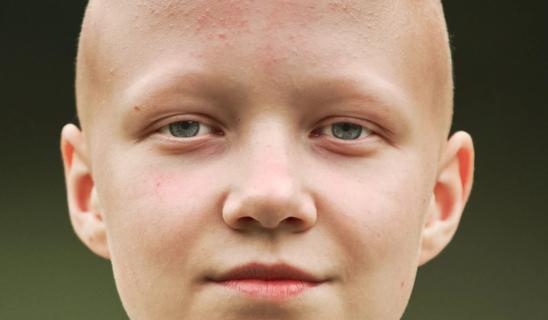
June 6, 2025/Skin Care & Beauty
Managing Alopecia Areata Eyebrow and Eyelash Loss
https://health.clevelandclinic.org/alopecia-areata-eyebrow-and-eyelash-loss
Your immune system may attack hair follicles anywhere on your body
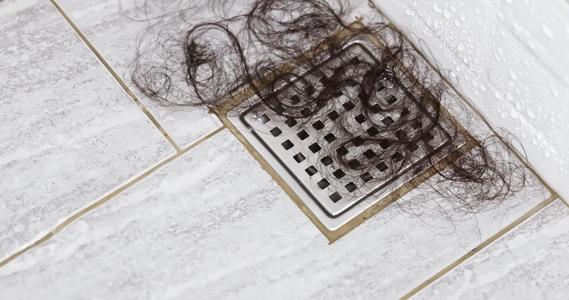
May 19, 2025/Skin Care & Beauty
Here’s Why Your Hair Falls Out in the Shower
https://health.clevelandclinic.org/how-much-hair-is-normal-to-lose-in-the-shower
It’s normal to lose around 50 to 150 strands per day to routine hair shedding
Trending Topics
Cancer Care & Prevention
Does Skin Cancer Itch?
https://health.clevelandclinic.org/skin-cancer-does-it-make-your-skin-itch
Skin cancer can sometimes itch, but it’s not usually the most common symptom — a persistent itch still warrants a visit to a healthcare provider
Mental Health
Early Signs of Schizophrenia: What To Watch For
https://health.clevelandclinic.org/early-signs-of-schizophrenia
The first symptoms of schizophrenia can be subtle, but recognizing them may help you get treatment sooner
Orthopaedics
What Are Toe Separators? And Will They Help?
https://health.clevelandclinic.org/benefits-of-toe-separators-and-spacers
Toe separators can help create space between crowded toes, but they’re not a permanent fix
Health Categories To Explore
Brain & Nervous System
Children’s Health
Exercise & Fitness
Heart Health
Men’s Health
Mental Health
Nutrition
Orthopaedics
Primary Care
Skin Care & Beauty
Wellness
Women’s Health
Other Popular Categories
Aging WellAllergiesCancer Care & PreventionChronic PainCold, Flu & Respiratory IllnessesDiabetes & EndocrinologyDigestiveEar, Nose & ThroatEye CareInfectious DiseaseLungOral HealthParentingPregnancy & ChildbirthRecipesRheumatology & ImmunologySenior HealthSex & RelationshipsSleepUrinary & Kidney HealthWeight Loss
Ad
Rendered: Wed Jul 15 2026 13:29:06 GMT+0000 (Coordinated Universal Time)
